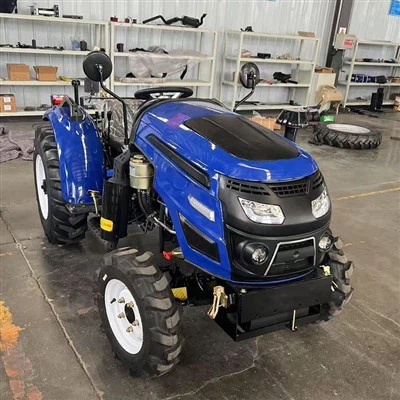
The hydraulic system of an agricultural tractor is like its "power hub." Whether it's driving farm implements or enabling critical operations like steering and braking, its efficient operation is essential. Proper hydraulic system maintenance is crucial to keeping the tractor in good condition, reducing downtime, and extending equipment life. Neglecting hydraulic system maintenance can lead to high repair costs or even system failure, severely impacting agricultural production efficiency.
Next, I will introduce a comprehensive tractor hydraulic system maintenance method, covering system inspections, routine maintenance, troubleshooting, and practical operating tips.
1. Familiarize yourself with the core components of the hydraulic system
Before beginning maintenance work, it's essential to understand the main components of the hydraulic system and the functions of each component:
Hydraulic pump: Pressurizes the hydraulic oil, thereby providing power to the implements and the entire system.
Hydraulic oil: Not only transmits power within the system, but also provides cooling and lubrication for the components. Cylinders and pistons: Convert hydraulic energy into linear or rotary motion, such as moving a loader's arm or operating a lift mechanism.
Hoses and fittings: Transport pressurized hydraulic oil between components.
Filters: Remove impurities from the hydraulic oil, preventing them from damaging system components.
Valve: Regulates and directs the flow of hydraulic oil to control specific operations, such as controlling the loader's movements or the power take-off system.
Fuel tank: Stores hydraulic oil and allows it to expand and contract freely during system operation.
2. Conduct Regular Inspections
Frequent inspections can identify potential problems and reduce the likelihood of hydraulic system failure.
Daily Visual Inspection
Check hoses and fittings daily for leaks, cracks, or bulges. Damaged hoses can rupture under pressure, resulting in a large loss of oil and potentially causing equipment downtime.
Carefully inspect the area around the pump, cylinder, and fittings for signs of oil leakage. Also, look for any accumulation or oil drips on the underside of the tractor. Observe the cylinder and seals for signs of wear or damage. If you notice traces of oil, it's likely a seal leak.
Check the oil level in the hydraulic tank. A low oil level can cause pump cavitation, affecting system efficiency.
Watch for bubbles or foam in the oil tank, which often indicates air has entered the system.
Weekly Inspection
Check the hydraulic filter weekly to ensure it's clean and functioning properly.
Inspect the connections between the power take-off and the implement to ensure they're secure and free of damage.
Seasonal or Pre-Season Inspection
Before heavy seasonal work, such as planting or harvesting, perform a thorough inspection of all hydraulic components.
Inspect the tank and exposed hydraulic components for corrosion, rust, or contamination.

3. Ensure Hydraulic Oil Quality
Hydraulic oil is critical to the proper operation of the hydraulic system. Maintaining good hydraulic oil quality significantly impacts system performance and service life. Choose the right hydraulic fluid.
Always use the hydraulic fluid specified by the tractor manufacturer, including viscosity, type, and additives. Consult the operator's manual for specific recommended hydraulic fluids.
Modern tractors typically require Universal Tractor Transmission Fluid (UTTO) or a similar fluid that is compatible with the transmission, hydraulic system, and wet brakes.
Monitor and Change Hydraulic Fluid
Check the hydraulic fluid level daily or before each use of the tractor.
Change the hydraulic fluid according to the manufacturer's recommended intervals, generally every 500-1000 hours of operation, or sooner if contamination is detected.
Watch for signs of hydraulic fluid deterioration:
If the hydraulic fluid becomes darker, cloudy, or milky white, it may be contaminated or has deteriorated.
If the hydraulic fluid has a burnt smell, it may be due to overheating, which can cause the fluid to lose its effectiveness.
Preventing Contamination
Maintain the fuel tank cap and ensure it is tightly sealed to prevent dust, moisture, and debris from entering the system. When adding or changing hydraulic fluid, use clean tools and containers.
Replace the filter element regularly to prevent contaminants from circulating in the system.
4.Replacing and Maintaining Hydraulic Filter Elements
The filter element's primary function is to remove dirt, debris, and metal particles from the hydraulic fluid, providing critical protection for the system.
When to Replace the Filter Element
Replace the filter element according to the manufacturer's maintenance schedule, typically every 200-500 hours of operation.If the tractor is operating in dusty, muddy, or wet conditions, contaminants will accumulate more quickly, so replace the filter element sooner.
Signs That a Filter Element Needs Replacement
If hydraulic system performance degrades or implement response becomes slow, the filter element may need replacement.
If the hydraulic pump becomes noisier, this may be due to increased pressure caused by a clogged filter element. In this case, the filter element should also be inspected and replaced.
The Correct Way to Replace a Filter Element
Use the original manufacturer's filter element or a high-quality aftermarket filter element suitable for your tractor. Before installing a new filter, if conditions permit, pre-fill it with clean hydraulic fluid to reduce the amount of air entering the system.
Hanhong International is a professional supplier of tractors and agricultural machinery.
We will provide you with professional services. Buyers from all over the world are welcome to contact us to discuss cooperation!