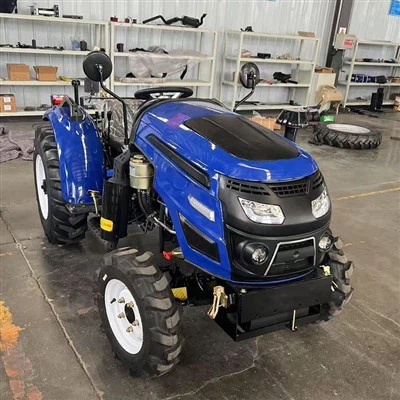
The tractor hydraulic system is the core power source for driving attached implements, loaders, dump trucks, and other devices. Leaks often occur at pipe joints, seals, and hydraulic component connections. If not promptly addressed, not only can these issues cause implements to become inoperable and reduce operating efficiency, but they can also lead to insufficient system pressure due to hydraulic oil loss, and even cause irreversible damage to critical components like pumps and cylinders. The following is a comprehensive leak identification and troubleshooting solution to help farmers quickly locate problems and minimize losses.
I. Static Visual Inspection: Identify High-Prone Leakage Areas
Hydraulic system leaks are often concentrated at high-pressure, high-vibration component connections. Careful observation during shutdown can initially locate the leak. Focus on the following areas:
(I) Key Inspection Areas and Methods
Hydraulic Pipes and Fittings
Inspect the pipes from the tank to the hydraulic pump, distributor, and cylinder one by one, focusing on the compression fittings and flange joints for oil seepage. If a moist film of oil or small droplets of oil hang from the joints, it's likely a loose ferrule or deteriorating gasket. Also, check for bulges or cracks in the rubber hoses, especially at the bends near the cylinders, as prolonged vibration can easily cause wear on the pipe walls.
Hydraulic Distributors and Multi-way Valves
Inspect the joints of the distributor housing and the seals on the valve stem. If there is sludge accumulation (a hard mass formed by a mixture of oil and dust) in these areas, it indicates a slow leak. Also, inspect the pressure ports of the multi-way valve. If there is residual hydraulic oil, it could be a sign of damaged rubber seals or insufficient tightening torque on the bolts.
Hydraulic Cylinder and Piston Rod Inspect the connection between the cylinder barrel and the end cap. If oil drips there, the end cap seal may be defective. Also, pay attention to the surface condition of the piston rod when extended. If there are obvious oil stains on the piston rod surface and oil remains on the rod after retraction, the cylinder dust seal or main seal is worn and needs to be replaced.
Hydraulic Oil Tank and Breather Valve
Check the oil filler cap seal on the top of the tank for wear. If there are oil stains on the cap, the seal may be leaking. Also, check the oil level gauge on the side of the tank. If there is leakage at the connection between the gauge and the tank, the oil level will be inaccurate and the seal will need to be replaced. (II) Typical Signs of Static Leaks
Fixed Oil Stains: Fixed-shaped oil stains on the surface of a component with no signs of spreading around the edges are often remnants of past leaks and require other methods to determine if the leak is ongoing.
Fresh Oil Droplets: Transparent or light yellow oil droplets (new oil) with undried liquid on the ground below indicate an active leak.
Sludge Accumulation: Leaked hydraulic oil absorbs dust, forming dark brown sludge, especially on joints and seals. Even without visible oil droplets, this can indicate a slow leak.

II. Cardboard Location Test: Pinpoint the Leak Source
If static observation cannot pinpoint the leak (e.g., small leak volume or hidden leak), the cardboard test can be used to further locate the leak. The steps are as follows:
Select a flat, clean, hard surface (such as concrete). Park the tractor and ensure the hydraulic system is unloaded (with implements on the ground and piston rods retracted). Apply the parking brake and turn off the engine.
Based on the hydraulic system layout, cut 3-4 pieces of cardboard (each approximately 80cm x 60cm) and lay them flat directly under the hydraulic pump, distributor, and cylinder, ensuring all possible leak areas are covered.
Let the tractor rest for 4-6 hours. Hours (or overnight if the leak is minimal). Avoid moving the vehicle or touching the hydraulic levers during this time.
Slowly pull out the cardboard and observe the location and shape of the oil droplets.
If there are noticeable oil drops on a certain area of the cardboard, compare the tractor chassis layout to identify the component directly above the leak.
Observe the color of the oil droplets. If it is light yellow (new oil), it may indicate a loose joint or damaged hose. If it is dark brown (aged oil), consider the presence of sludge to determine if it is caused by seal deterioration.
If the oil droplets are mixed with other colors (such as green or pink), be wary of coolant or other fluid infiltration and further inspect the inter-system seals.
III. Oil Level Monitoring: Determining Leak Severity
Regularly checking the hydraulic oil level can indirectly determine the presence and severity of a leak. The specific methods are as follows:
Cold Oil Level Check: With the tractor turned off for at least one hour (to ensure the hydraulic oil has returned to the tank), open the fuel tank filler cap and check the oil level gauge. The normal oil level should be between the "MAX" and "MIN" scales. If the oil level is below "MIN" and the hydraulic oil has not been refilled recently, a leak is present.
Before-and-after Comparison: Record the oil level before operation. After 2-3 hours of operation (such as plowing or seeding), stop the machine for 30 minutes and check the oil level again. If the oil level drops by more than 5mm (referenced to the oil level gauge scale), a significant leak is present and requires immediate investigation.
Abnormal Consumption: If the frequency of hydraulic oil refills increases significantly (e.g., once a month, now once a week), even if the oil level is not below "MIN," this may indicate a hidden leak and require a comprehensive inspection in conjunction with other methods.
IV. Dynamic Operation Test: Detecting Active Leaks Under Pressure
Some leaks (such as poor joint sealing and internal valve leakage) only become apparent when the hydraulic system is under pressure and require a dynamic operation test. The steps are as follows:
Start the tractor and idle for 5 minutes to allow the hydraulic oil temperature to reach the normal operating range (approximately 40-60°C).
Operate the hydraulic handles to gradually perform actions such as raising and lowering the implement, raising and lowering the loader, and flipping the bucket. Repeat each action 3-5 times. First, establish normal operating pressure in the hydraulic system.
During operation, inspect the high-risk leak areas mentioned above one by one:
Check the pipe joints for oil spray (leakage under pressure will appear as a mist or line of spray).
Observe the joints of the distributor and multi-way valve for oil seepage and flow along the housing.
Watch for rapid oil droplets dripping from the end cap when the cylinder piston rod is extended.
During dynamic testing, if a sudden increase in hydraulic oil leakage or accompanied by unusual noise (such as a creaking sound from the hydraulic pump) is detected, immediately shut off the engine to avoid excessive pressure and component damage. Also, check the hydraulic oil temperature. If the oil temperature is abnormally high (over 80°C), it may be a leak causing insufficient system pressure, and the leak source should be prioritized.
V. Interim Measures and Precautions After a Leak
If a minor leak is detected (such as a small amount of oil on a joint) and it is not possible to shut down the machine for repair, tighten the joint bolts first (be sure to follow the specified torque to avoid overtightening and damaging the threads). Place an oil drain pan below the leak to prevent hydraulic fluid from contaminating the ground.
If the leak is significant (such as a ruptured pipe or cylinder seal failure), shut down the machine immediately and close the hydraulic system shutoff valve (if any) to prevent significant loss of hydraulic fluid. Do not operate hydraulic functions during this period to prevent air from entering the system and causing cavitation.
When refilling hydraulic fluid, use the same anti-wear hydraulic fluid as the original model (such as HM46 or HM68). Do not mix fluids of different brands or types to avoid chemical reactions that may cause performance degradation. Air should be exhausted after refilling to prevent "creep" (unsteady lifting and lowering of the implement).
Hanhong International is a professional supplier of tractors and agricultural machinery.
We will provide you with professional services.
Buyers from all over the world are welcome to contact us to discuss cooperation!