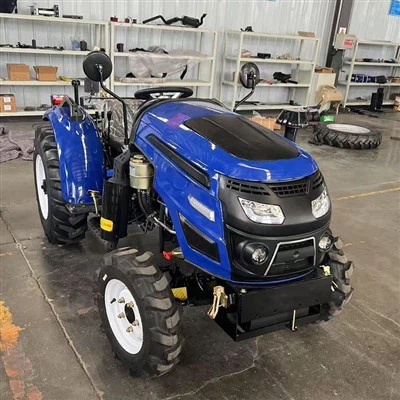
1. Regular Oil Checks and Changes: The Foundation of Engine Health
Engine oil acts as a lubricant, coolant, and contaminant remover for internal components like pistons, crankshafts, and bearings. Neglecting oil maintenance is one of the leading causes of engine wear.
Check Oil Levels Weekly: Before starting the tractor (when the engine is cool), locate the oil dipstick, wipe it clean, reinsert it fully, and pull it out again. The oil level should sit between the "MIN" and "MAX" marks on the dipstick. If it's below the "MIN" line, add the manufacturer-recommended oil grade (e.g., 15W-40 for most diesel tractors) to avoid insufficient lubrication.
Change Oil on Schedule: For tractors used 20–30 hours per month (typical for small-scale farming), change the oil every 150–200 operating hours; for heavy-duty use (e.g., daily construction work), shorten the interval to 100–150 hours. Always replace the oil filter during an oil change-clogged filters trap dirt and metal shavings, which can circulate back into the engine and cause abrasion.
Choose the Right Oil: Avoid mixing different grades or brands of oil. Diesel tractors require oil with anti-wear additives and high-temperature stability, while gasoline tractors may use lighter-grade oils. Refer to the tractor's owner manual for specific recommendations.
2. Air and Fuel Filter Maintenance: Prevent Contaminant Damage
Tractors often operate in dusty, dirty environments (e.g., plowed fields, construction sites), making air and fuel filters critical for blocking contaminants from entering the engine.
Air Filter Care: Check the air filter every 50 operating hours. Remove the filter housing, inspect the filter element-if it's covered in dust or debris, tap it gently to remove loose dirt (avoid using compressed air, which can damage the filter's fibers). Replace the air filter every 200–300 hours, or immediately if it's torn, oil-soaked, or heavily clogged. For extremely dusty conditions (e.g., dryland farming), add a pre-filter (a lightweight outer cover) to extend the main filter's lifespan.
Fuel Filter Maintenance: Diesel tractors are particularly sensitive to fuel contaminants (e.g., water, sediment), which can clog injectors and damage the fuel pump. Replace the primary fuel filter every 150 hours and the secondary filter (if equipped) every 300 hours. Additionally, drain water from the fuel tank's water separator weekly-water in diesel can cause injector corrosion and engine misfires. Always use clean, high-quality fuel and avoid refueling from dirty or unfiltered storage tanks.
3. Cooling System Care: Avoid Overheating
Tractor engines generate significant heat during operation, and the cooling system (radiator, coolant, water pump) prevents overheating, which can warp cylinder heads or seize the engine.
Check Coolant Levels: Inspect the coolant reservoir when the engine is cool-levels should reach the "FULL" mark. If low, add a 50/50 mixture of antifreeze and distilled water (never use pure water, which can cause corrosion or freezing in cold weather).
Clean the Radiator: Dirt, chaff, and insects often clog radiator fins, reducing heat dissipation. Every 100 hours, use a soft brush or low-pressure water (from the back of the radiator) to remove debris. Avoid high-pressure water, which can bend the fins and block airflow.
Flush the Cooling System Annually: Over time, coolant breaks down and forms scale, which clogs hoses and reduces cooling efficiency. Drain the old coolant, flush the system with a radiator cleaner, and refill with fresh antifreeze. Check hoses and clamps for cracks or leaks-replace any damaged parts to prevent coolant loss.

4. Battery Maintenance: Ensure Reliable Starts
A dead or weak battery is a common cause of tractor startup failures, especially in extreme temperatures.
Check Battery Charge and Connections: Use a multimeter to test the battery voltage-healthy batteries should read 12.6V (for 12V systems) when the engine is off. Inspect the battery terminals for corrosion (a white or greenish buildup)-clean them with a wire brush and a mixture of baking soda and water, then apply a thin layer of petroleum jelly to prevent future corrosion. Tighten loose terminals to ensure a good electrical connection.
Charge and Store Properly: If the tractor is not used for more than two weeks (e.g., during off-seasons), disconnect the battery or use a trickle charger to maintain a steady charge. In cold weather (below 0℃), store the battery in a warm, dry area to prevent freezing, which can crack the battery case.
5. Seasonal Maintenance Tips for Different Climates
Tractor engines face unique challenges in different seasons-adjust your maintenance routine accordingly:
Winter (Cold Climates): Use winter-grade oil (e.g., 5W-30) to ensure proper lubrication in low temperatures. Install a block heater to warm the engine before starting (reduces wear from cold starts). Check antifreeze concentration with a hydrometer-ensure it can withstand temperatures 10–15℃ below the local minimum to prevent freezing.
Summer (Hot Climates): Increase coolant checks to twice weekly, as high temperatures accelerate coolant evaporation. Clean the radiator and oil cooler more frequently to prevent overheating. Consider using a fuel stabilizer if the tractor is used infrequently, as hot weather can cause fuel to degrade faster.
Rainy or Humid Seasons: Inspect the engine for water leaks (e.g., around gaskets or hoses) to prevent water from entering the oil or fuel system. After operating in wet conditions, dry the engine compartment and check electrical components (e.g., spark plugs, wiring) for moisture to avoid short circuits.
6. Common Engine Issues and Troubleshooting
Even with regular maintenance, engine problems may occur-here's how to identify and address common issues:
Hard Starting: Check the battery (charge and connections), fuel filter (clogs), and glow plugs (for diesel tractors, which heat the combustion chamber in cold weather). If the engine cranks but won't start, inspect the fuel lines for leaks or air bubbles (bleed the fuel system if needed).
Reduced Power or Fuel Efficiency: Clogged air or fuel filters are the most likely cause-replace them first. If the issue persists, check for oil leaks (low oil levels reduce engine performance) or worn spark plugs (for gasoline tractors).
Overheating: Inspect the radiator for clogs, check coolant levels, and ensure the water pump is working (listen for unusual noises or check for coolant circulation). A faulty thermostat (stuck closed) can also cause overheating-replace it if necessary.
By following these maintenance steps, you can extend your tractor engine's lifespan by 30–50%, reduce repair costs, and ensure reliable performance for years. Always refer to your tractor's owner manual for model-specific maintenance guidelines, and address small issues promptly to avoid more costly repairs down the line.
Hanhong International is a professional supplier of tractors and agricultural machinery. We will provide you with professional services. Buyers from all over the world are welcome to contact us to discuss cooperation!