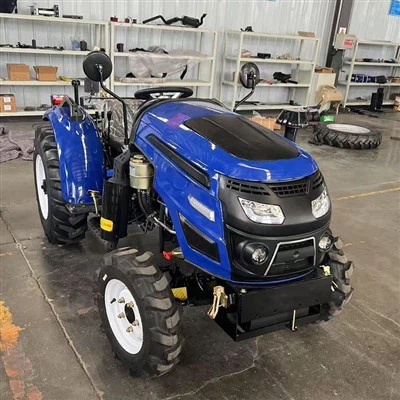
A farm tractor is the backbone of agricultural operations, and consistent routine maintenance is essential to keep it running reliably through planting, harvesting, and every task in between. Skipping regular checks can lead to unexpected breakdowns during critical seasons, costly repairs, and shortened equipment lifespan. By focusing on these six key maintenance steps, you'll ensure your tractor stays in peak condition, minimizing downtime and maximizing productivity.
1. Fuel System Care
The fuel system is vital to your tractor's performance-clean, uncontaminated fuel ensures the engine runs smoothly, while dirty fuel or clogged components can cause sputtering, reduced power, or even complete shutdowns. Over time, sediment, water, and debris can accumulate in the fuel tank and lines, making regular care a must.
What to Do?
Check the fuel tank for water or sediment weekly (use the tank's drain valve to release any buildup at the bottom).
Replace the fuel filter every 150-200 hours of operation, or sooner if you notice reduced engine power.
Use high-quality fuel that matches the manufacturer's recommendations; avoid storing fuel for more than 3-6 months, as old fuel degrades and forms harmful deposits.
Pro Tip: Keep a spare fuel filter in your tractor's toolbox. If you encounter sudden performance issues in the field, a quick filter replacement can get you back to work without waiting for a repair service.
2. Transmission and Gearbox Service
The transmission and gearbox transfer power from the engine to the tractor's wheels and implements, making them critical for smooth operation. Neglecting these components can lead to stiff gear shifts, slipping gears, or expensive mechanical failures that halt work entirely.
Maintenance Routine
Check the transmission fluid level before each use using the dedicated dipstick; add fluid (matching the manufacturer's specs) if it falls below the "low" mark.
Replace the transmission fluid and filter every 500-800 hours of operation-old fluid loses its lubricating properties, increasing friction between moving parts.
Inspect gear shifter linkages monthly for wear or misalignment; lubricate pivot points with tractor-specific grease to ensure smooth shifting.
Real-World Tip: Avoid shifting gears while the tractor is moving at high speeds. Come to a complete stop before switching between forward and reverse to reduce stress on the transmission.

3. Brake System Inspection
Reliable brakes are non-negotiable for tractor safety, especially when working on sloped terrain, hauling heavy loads, or operating near farmworkers or livestock. Worn or poorly maintained brakes can lead to longer stopping distances, uneven braking, or even brake failure-hazards that put you and your operation at risk.
Steps to Maintain
Test brakes before each use: Engage the brakes while stationary to check for firm resistance, then test them at slow speeds to ensure even stopping on both sides.
Adjust brake pedal "free play" (the space between the pedal and its resting position) every 300 hours-aim for 1-2 inches of free play; too little or too much can affect brake performance.
Inspect brake pads and drums every 400 hours. Replace pads if they're less than 1/4 inch thick, and check drums for cracks or excessive wear (resurface or replace damaged drums promptly).
Did You Know? A burning smell or squealing noise when applying brakes is a sign of worn pads or overheating-stop using the tractor immediately and inspect the system to avoid further damage.
4. PTO (Power Take-Off) Shaft Maintenance
The PTO shaft connects your tractor to implements like mowers, balers, and plows, transferring power to get work done. A poorly maintained PTO shaft can cause implement malfunctions, damage to equipment, or serious safety hazards (such as entanglement).
What You Should Do?
Inspect the PTO shaft's universal joints and sliding sections every 50-100 hours; look for cracks, rust, or excessive wear.
Lubricate the PTO shaft with high-quality grease before each use-focus on the universal joints and any sliding parts to reduce friction.
Check the PTO guard (the protective cover around the shaft) weekly for cracks, missing pieces, or loose fasteners. Never operate the PTO without the guard in place-It's required by safety standards and prevents severe injuries.
Key Note: If the PTO shaft vibrates excessively or makes unusual noises, stop using it immediately. Misalignment or worn parts can cause further damage to both the tractor and the implement.
5. Implement Hitch Maintenance
Tractors rely on hitches (such as 3-point hitches or drawbars) to attach implements, and a faulty hitch can lead to unstable operation, uneven work, or even implement detachment. Regular maintenance ensures hitches stay secure and functional.
Maintenance Practices
Inspect hitch pins, clips, and bolts before attaching any implement-replace bent or rusted pins, and tighten loose bolts to the manufacturer's recommended torque.
Lubricate hitch pivot points and moving parts every 100 hours; use a waterproof grease to prevent rust and ensure smooth movement.
Check the hitch's hydraulic cylinders (for 3-point hitches) monthly for leaks or slow movement. Add hydraulic fluid if needed, and replace damaged hoses or seals promptly.
Practical Tip: When attaching heavy implements, have a helper guide you to align the hitch correctly. Forcing misaligned components can bend the hitch or damage the implement's connection points.
6. Electrical System Check (Beyond the Battery)
While the battery is critical, the entire electrical system-including wires, fuses, lights, and switches-needs regular care to avoid issues like non-functional lights (essential for early-morning or evening work) or failed engine starts.
Maintenance Steps
Inspect electrical wires and connections every 200 hours for frayed insulation, chewed wires (from rodents), or loose terminals. Replace damaged wires and tighten loose connections to prevent short circuits.
Check the tractor's fuse box monthly-replace any blown fuses with the correct amperage rating (using a higher-amperage fuse can damage electrical components).
Test all lights (headlights, taillights, turn signals) before each use, especially if you'll be operating the tractor on public roads (functional lights are required by law). Replace burnt-out bulbs immediately.
Winter Care Tip: In cold weather, wrap exposed electrical wires with insulation tape to prevent them from freezing and becoming brittle. This also helps protect against moisture that can cause corrosion.
By following these six routine maintenance steps, you'll keep your farm tractor running reliably year-round. Remember to always refer to your tractor's owner's manual for manufacturer-specific recommendations-interval times and fluid types may vary by model. With consistent care, your tractor will continue to be a trusted workhorse, supporting your agricultural operations for years to come.