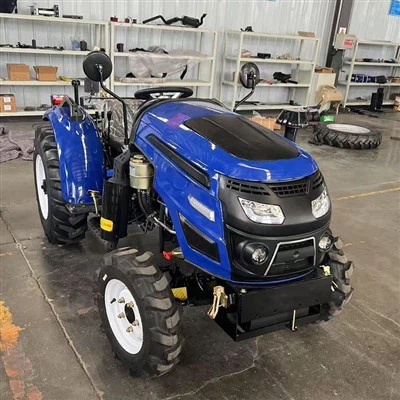
For many farmers, frequent tractor use is a necessity-especially during peak planting, cultivation, and harvest seasons. While tractors are engineered to handle heavy workloads, regular use inevitably affects repair costs, maintenance schedules, and overall wear and tear. Understanding how usage frequency influences repair expenses and learning ways to minimize them is critical for managing farm operational costs and ensuring long-term equipment reliability.
Below is a detailed analysis of how frequent use impacts repair costs, along with actionable strategies to mitigate these expenses.
1. Accelerated Wear on Critical Components
The more a tractor is used, the faster its key components degrade. Certain parts are particularly susceptible to strain from frequent operation:
a. Engine
Impact of Frequent Use
Continuous operation increases wear on engine parts like pistons, cylinders, valves, and crankshafts. Heavy workloads (e.g., pulling large implements) raise operating temperatures, which can speed up wear if the cooling system isn't functioning optimally.
Repair Costs
Minor fixes (e.g., gasket replacements): $200–$500
Major overhauls or rebuilds: $5,000–$20,000
b. Transmission
Impact of Frequent Use
High usage strains clutches, gears, and bearings-especially during frequent gear shifts in heavy-duty tasks. Hydrostatic and CVT transmissions, while efficient, can be costly to repair or replace if overused without proper maintenance.
Repair Costs
Clutch replacement: $1,000–$3,000
Transmission rebuilds: $5,000–$15,000 (varies by tractor size and type)
c. Hydraulics
Impact of Frequent Use
Hydraulic pumps, hoses, and cylinders endure constant pressure during frequent lifting, steering, or powering attachments. Leaks in hoses or seals are common with prolonged use.
Repair Costs
Replacing hoses or seals: $100–$500
Hydraulic pump repairs: $1,500–$3,000
d. Tires
Impact of Frequent Use
Tires wear faster with regular use, especially on hard surfaces (asphalt), rocky fields, or when carrying heavy loads. Uneven pressure or improper ballasting accelerates wear.
Repair Costs
Patching: $50–$100 per repair
Full replacement: $1,000–$6,000 per tire (depending on size and brand)
e. Electrical Systems
Impact of Frequent Use
Extended operation drains batteries faster and increases wear on alternators, sensors, and wiring.
Repair Costs
Battery replacement: $100–$300
Electrical system repairs: $500–$1,500
2. Shorter Maintenance Intervals
Frequent use compresses maintenance schedules, requiring more frequent servicing to prevent breakdowns. While this boosts ongoing maintenance costs, skipping or delaying service often leads to far higher repair bills.
a. Oil and Filters
Impact of Frequent Use
Oil and fuel filters clog faster, and oil degrades more quickly with continuous operation. Poor lubrication raises the risk of engine damage, leading to expensive repairs.
Costs
Regular oil changes: $100–$300 per service
Engine failure from neglected maintenance: $5,000–$20,000 in repairs
b. Belts and Pulleys
Impact of Frequent Use
Drive belts and pulleys wear faster due to constant tension and friction.
Costs
Belt replacement: $50–$200
Collateral damage from delayed replacement: $1,000+ (if connected components fail)
c. Cooling Systems
Impact of Frequent Use
Radiators and cooling fans work harder during heavy use or in hot climates, increasing the risk of overheating and coolant leaks.
Costs
Radiator repairs or replacement: $500–$2,000
Major engine damage from overheating: $10,000+
3. Influence of Operating Conditions
Frequent use in harsh environments accelerates wear and drives up repair costs significantly.
a. Dusty or Muddy Fields
Impact of Frequent Use
Air filters clog quickly, and abrasive particles can infiltrate engines, hydraulics, or moving parts-causing excessive wear and premature failure.
Costs
Air filter replacement: $20–$100
Damage from unfiltered air (e.g., piston scuffing): $3,000–$10,000+
b. Steep or Uneven Terrain
Impact of Frequent Use
Operating on hills or uneven ground puts extra strain on transmissions, brakes, and tires.
Costs
Brake repairs: $500–$1,500
Tire damage or uneven wear: $1,000–$6,000 per tire
c. Extreme Weather
Impact of Frequent Use
Cold weather makes engines harder to start and increases battery wear. Heat exacerbates tire degradation and stresses cooling systems.
Costs
Battery replacement: $100–$300
Cold-start engine damage: $2,000–$5,000

4. Labor Costs for Repairs
Frequent tractor use raises the likelihood of labor-intensive repairs:
Mechanic rates: $75–$150 per hour (varies by location and repair complexity).
Time-consuming repairs: Transmission rebuilds or engine overhauls can take 10–50 hours, significantly adding to total costs.
5. Depreciation and Long-Term Wear
Frequent use accelerates tractor depreciation, increasing overall operating costs:
High-hour tractors: Units with 5,000–7,000+ hours of use typically require more repairs, are less reliable, and incur higher ongoing expenses.
Replacement costs: Replacing a heavily worn tractor often costs more than proactive maintenance.
6. Preventive Strategies to Reduce Repair Costs
To minimize repair costs from frequent use, adopt these best practices:
a. Follow Regular Maintenance Schedules
Adhere to the manufacturer's recommended intervals for oil changes, filter replacements, and inspections.
For heavy users, shorten service intervals (e.g., check air filters daily in dusty conditions).
b. Use Quality Parts and Fluids
Invest in OEM or high-quality aftermarket parts for better durability.
Use manufacturer-recommended lubricants and fluids to reduce wear.
c. Operate the Tractor Properly
Avoid overloading or over-revving the engine.
Use 4WD when needed to reduce strain on the drivetrain in challenging terrain.
d. Inspect Frequently
Conduct daily or pre-operation checks for signs of wear, leaks, or unusual noises. Catching small issues early prevents costly repairs.
e. Leverage Technology
Many modern tractors feature telematics systems that provide real-time diagnostics. These alert you to potential issues before they escalate, enabling proactive fixes.
f. Create a Maintenance Plan
Keep a maintenance log to track service intervals, part replacements, and operating hours. This helps anticipate and budget for repairs.
Consider an extended warranty or service contract for new tractors used frequently.
Hanhong International is a professional supplier of tractors and agricultural machinery.
We will provide you with professional services. Buyers from all over the world are welcome to contact us to discuss cooperation!