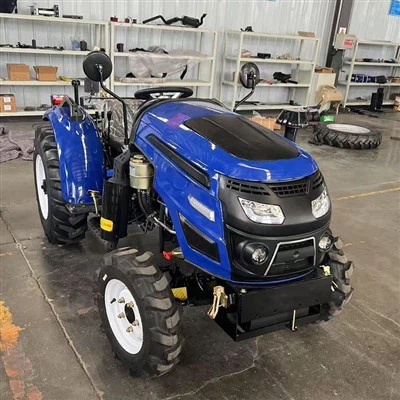
1. Understanding the Tractor Fuel System
A diesel fuel system in farm tractors consists of several key components:
Fuel Tank – Stores diesel fuel and must be kept free from water, debris, and microbial contamination.
Fuel Lines & Hoses – Transport fuel from the tank to the injection system. Must be free from cracks and leaks.
Fuel Filter & Water Separator – Removes contaminants and water to prevent damage to injectors and pumps.
Fuel Pump – Pressurizes fuel and delivers it to the injectors at the correct rate.
Fuel Injectors – Atomize fuel into the engine for combustion. Must remain clean for optimal fuel efficiency.
Fuel Return System – Returns excess fuel to the tank to prevent over-pressurization and overheating.
Proper maintenance of these components ensures efficient fuel combustion, reduced emissions, and lower operational costs.
2. Use High-Quality, Clean Fuel
A. Choose the Right Diesel Fuel
Use ultra-low sulfur diesel (ULSD) to comply with emissions standards and prevent injector damage.
Ensure fuel meets ASTM D975 or EN 590 diesel specifications for optimal performance.
For Tier 4 Final engines, ensure the diesel is compatible with Selective Catalytic Reduction (SCR) and Diesel Particulate Filter (DPF) systems.
B. Store Fuel Properly to Prevent Contamination
Store fuel in clean, sealed, and moisture-free containers or tanks.
Keep fuel tanks covered and elevated to prevent water entry and sediment buildup.
If storing fuel for longer than three months, use a fuel stabilizer to prevent degradation.
C. Prevent Water and Microbial Contamination
Water in fuel can lead to corrosion, microbial growth ("diesel algae"), and fuel injector damage.
Regularly drain water from the fuel-water separator.
If microbial growth is detected (slimy residue in the fuel), use a biocide additive and clean the tank thoroughly.
3. Regular Fuel Filter and Water Separator Maintenance
A. Change Fuel Filters as Recommended
Replace primary and secondary fuel filters every 200-400 hours or per the manufacturer's manual.
In dusty or humid conditions, inspect filters more frequently.
B. Drain the Fuel-Water Separator Regularly
Water separators remove moisture from the fuel to protect injectors and pumps.
Drain accumulated water daily or as indicated by the separator's warning light (if equipped).
C. Use OEM or High-Quality Replacement Filters
Always use manufacturer-approved fuel filters to ensure proper fit and filtration efficiency.
Low-quality filters may allow debris to pass through, causing fuel system damage.
4. Inspect and Maintain Fuel Lines, Hoses, and Tank
A. Check for Leaks and Cracks
Inspect fuel hoses, connections, and seals regularly for cracks, wear, or loose fittings.
Replace any damaged or deteriorated hoses immediately to prevent fuel loss and air intrusion.
B. Clean the Fuel Tank Annually
Over time, sludge, rust, and debris accumulate in the fuel tank.
Drain the tank and clean it with diesel-compatible solvents.
Use compressed air to remove debris from hard-to-reach areas.
C. Inspect the Fuel Cap Seal
A faulty fuel cap seal can allow dirt and moisture to enter the tank.
Ensure the cap fits tightly and seals properly to maintain a contamination-free environment.

5. Maintain the Fuel Injection System
A. Use Fuel Additives for Injector Health
Over time, carbon deposits build up in fuel injectors, reducing efficiency.
Use a diesel fuel additive with detergents to clean injectors and improve combustion.
Add anti-gel additives in cold weather to prevent fuel thickening.
B. Monitor Fuel Injector Performance
Symptoms of clogged or failing injectors:
Hard starting or misfiring
Loss of power and excessive black smoke
Increased fuel consumption
If issues arise, perform an injector flow test or have them professionally cleaned.
C. Ensure Proper Fuel Pressure and Pump Operation
Check the fuel pump pressure to ensure proper delivery to the injectors.
If the tractor experiences power loss, irregular idling, or difficulty starting, inspect the fuel pump and regulator for wear.
6. Cold Weather Fuel System Maintenance
A. Use Winter-Grade Diesel
Cold weather can cause fuel gelling, leading to clogged filters and stalled engines.
Use winter-blend diesel or mix No. 1 and No. 2 diesel to improve cold flow properties.
B. Install a Fuel Heater (For Extreme Cold)
In sub-zero conditions, install a fuel line heater or block heater to maintain fuel flow.
C. Store Tractors in a Warm Location
If possible, store tractors in a heated barn or shed to prevent freezing issues.
Hanhong International is a professional supplier of tractors and agricultural machinery.
We will provide you with professional services. Buyers from all over the world are welcome to contact us to discuss cooperation!