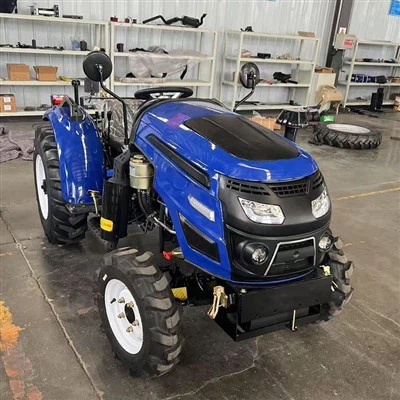
1. Choose the Right Storage Location
Where you store your tractor significantly affects its condition.
Ideal Storage Options
Indoor Storage (Best Option) – A dry, enclosed barn, shed, or garage protects against moisture, UV damage, and temperature fluctuations.
Outdoor Storage (If No Indoor Option Available) – Use a high-quality, weatherproof tarp and park on a dry, elevated surface to prevent moisture damage.
Under a Canopy or Open Shed – Provides some protection but still exposes the tractor to dust and moisture.
What to Avoid
Storing on bare ground – Increases the risk of moisture exposure and rust.
Direct exposure to rain, snow, or extreme heat – Can damage electrical components and degrade seals.
2. Clean the Tractor Thoroughly
Dirt, grease, and crop residue can trap moisture, leading to rust, corrosion, and pest infestations.
Cleaning Steps
Wash the tractor thoroughly, including tires, undercarriage, and radiator fins.
Remove dirt, grease, and crop debris using a pressure washer or hose.
Let the tractor dry completely before storing it to prevent moisture-related damage.
Apply a protective coat of wax or anti-rust spray on metal surfaces.
3. Change Oil and Other Fluids
Used engine oil and hydraulic fluid can contain contaminants that cause internal corrosion during storage.
Fluid Maintenance Steps
Change the engine oil and filter to remove dirt and moisture.
Check and replace hydraulic fluid if necessary.
Top off the coolant with a properly mixed antifreeze solution to prevent freezing.
Drain water from the fuel separator to prevent injector clogging.
Add a fuel stabilizer to the diesel tank to prevent fuel degradation.
4. Protect the Fuel System
Diesel fuel can degrade and cause clogs, microbial growth ("diesel algae"), and injector issues if left untreated.
Best Practices for Fuel Storage
Fill the fuel tank to reduce condensation and moisture buildup.
Add a diesel fuel stabilizer to prevent gelling and oxidation.
Run the engine for 5-10 minutes after adding stabilizer to circulate it through the system.
For Long-Term Storage (Over 6 Months)
Consider draining the fuel tank completely if the manufacturer recommends it.
Clean or replace fuel filters before storage.

5. Maintain the Battery
Tractor batteries can discharge and sulfate during long storage periods, leading to starting issues and reduced lifespan.
Battery Storage Tips
Disconnect the battery terminals (starting with the negative terminal) to prevent slow discharge.
Store the battery in a dry, temperature-controlled location.
Use a trickle charger (battery maintainer) to keep it fully charged.
Clean battery terminals and apply anti-corrosion grease.
For Extreme Cold Climates
Remove the battery entirely and store it indoors to prevent freezing.
6. Check and Protect the Tires
Long periods of inactivity can cause tire flat spots, cracks, or deflation.
Tire Storage Tips
Inflate tires to the recommended PSI before storage.
Place wooden planks or rubber mats under the tires to prevent flat spots.
If possible, jack up the tractor slightly to reduce tire pressure and weight strain.
7. Lubricate Moving Parts
Lubrication prevents rust, drying out, and excessive wear when the tractor sits idle.
Key Areas to Lubricate
Grease all fittings, joints, and pivot points (steering, axles, hitch).
Lubricate the PTO shaft to prevent rust.
Apply a light coat of oil or grease to exposed metal parts to prevent corrosion.
8. Protect the Exhaust and Engine Openings
Rodents and insects can nest in exhaust pipes, air filters, and engine compartments, causing blockages and wiring damage.
How to Prevent Pests
Cover the exhaust pipe with a plastic bag or cap to keep out moisture and rodents.
Stuff openings (like air intakes) with steel wool or mesh to prevent small animals from nesting.
Check wiring and hoses for rodent damage before restarting.
9. Engage Parking Brakes and Secure the Tractor
Leaving the parking brake engaged for long periods can cause the brakes to seize.
Best Practices
If possible, use wheel chocks instead of the parking brake.
If the parking brake must be engaged, release and reapply it periodically.
Store the tractor in neutral gear.
10. Cover the Tractor Properly
If storing outdoors, protect the tractor from rain, snow, and sun exposure.
Covering Tips
Use a breathable, waterproof tarp to prevent moisture buildup.
Do not wrap tightly-allow for air circulation to prevent condensation.
Ensure exhaust, wiring, and sensitive areas are well-protected.
Hanhong International is a professional supplier of tractors and agricultural machinery.
We will provide you with professional services. Buyers from all over the world are welcome to contact us to discuss cooperation!