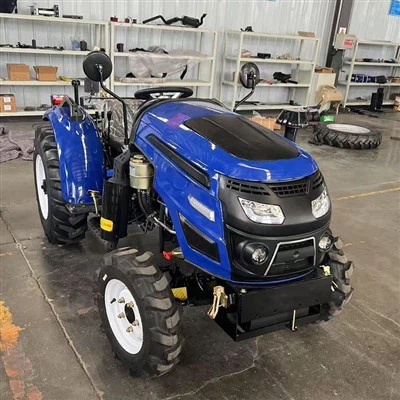
1. Factors That Determine Tractor Repair Complexity
A. Age and Model of the Tractor
Older Tractors (Pre-2000s)
Generally simpler to repair.
Mechanical systems with fewer electronic components.
Easy access to parts, though some may be discontinued.
Repairs can often be done with basic tools and mechanical knowledge.
Modern Tractors (Post-2000s, Especially Post-2010s)
More advanced technology, requiring specialized diagnostic tools.
Electronic control units (ECUs) regulate various functions.
More reliance on proprietary software, making independent repairs difficult.
Precision agriculture features add another layer of complexity.
B. Type of Repair Needed
Basic Repairs (Easier)
Oil changes, filter replacements, hydraulic fluid top-ups.
Tire replacements, belt adjustments, battery swaps.
Mechanical repairs like fixing a broken linkage or replacing a worn-out part.
Intermediate Repairs (Moderate Difficulty)
Hydraulic system repairs.
Clutch or transmission maintenance.
Cooling system repairs (radiator, water pump, etc.).
Advanced Repairs (Most Difficult)
Engine overhauls or major component replacements.
Electrical and software diagnostics (ECU recalibration, sensor replacements).
Hydraulic and transmission system troubleshooting
especially in continuously variable transmissions (CVTs) and powershift transmissions.

2. Challenges in Modern Tractor Repairs
A. Advanced Technology and Proprietary Software
Modern tractors, especially those from major manufacturers like John Deere, Case IH, New Holland, and Fendt, incorporate significant electronic components and software-driven systems. This leads to three primary challenges:
Proprietary Diagnostic Software:
Many manufacturers require specialized diagnostic tools and proprietary software for troubleshooting and repairs. Farmers and independent mechanics may not have access to these, making self-repair difficult.
Right to Repair Issues:
Some manufacturers limit access to repair manuals, software updates, and diagnostic tools, forcing farmers to rely on authorized dealers. This has led to legal and policy debates, particularly in the U.S. and EU, about farmers' rights to repair their own equipment.
Precision Agriculture Systems Complexity:
GPS-guided autosteering, variable rate applications, and telematics-based maintenance monitoring add new layers of complexity. If a sensor malfunctions or a software update causes compatibility issues, even a minor problem can become difficult to diagnose without manufacturer support.
B. Availability of Spare Parts
Some parts, especially for older tractors, may be hard to find.
Delays in the supply chain can make repairs time-consuming.
Aftermarket parts vary in quality, and some may not be fully compatible.
C. Mechanical Complexity of New Designs
Hydraulic Systems: Modern high-pressure hydraulics require precision repairs, and improper handling can lead to leaks, inefficiency, or safety risks.
Transmission Systems: CVTs and automated manual transmissions require specialized knowledge, unlike traditional manual gear-driven systems.
Emissions Control Systems: Tier 4 Final and Stage V emissions regulations have introduced diesel particulate filters (DPFs), selective catalytic reduction (SCR), and exhaust gas recirculation (EGR) systems, all of which require periodic maintenance and can be expensive to repair.
D. Cost of Repairs and Downtime Impact
Dealer repairs can be expensive, often running into thousands of dollars.
Specialized technicians are often needed for advanced diagnostics.
Downtime can significantly impact farm operations, especially during peak seasons like planting and harvest.
3. Best Practices for Easier Tractor Repairs
A. Preventative Maintenance
Regular oil changes, lubrication, and filter replacements.
Keeping hydraulic fluid levels and coolant in check.
Inspecting belts, hoses, and electrical wiring to prevent unexpected failures.
B. Investing in Diagnostic Tools
Some third-party diagnostic tools are available for independent mechanics.
Learning to interpret basic error codes and sensor readings can help in early troubleshooting.
C. Training and Repair Manuals
Attending manufacturer service training or independent repair workshops.
Using online resources and community forums for troubleshooting tips.
Keeping a well-stocked toolbox with the right equipment for common repairs.
D. Advocacy for Right to Repair
Supporting initiatives that push for broader access to repair information.
Exploring open-source repair manuals and collaborating with independent mechanics.
Hanhong International is a professional supplier of tractors and agricultural machinery.
We will provide you with professional services. Buyers from all over the world are welcome to contact us to discuss cooperation!