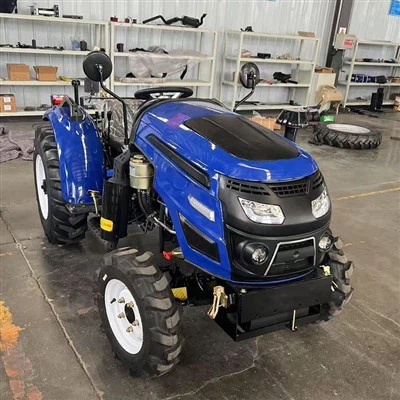
In agricultural production, tractor tires are like "feet," carrying the entire machine's weight and directly impacting operational efficiency, fuel consumption, and even safety. Many farmers often neglect tire inspections, waiting until problems like blowouts and severe wear occur before they're forced to stop for repairs. This not only increases costs but can also delay farming. However, mastering a scientific inspection frequency and method can effectively extend tire life and prevent unexpected failures. The following provides detailed information on tractor tire maintenance, focusing on inspection frequency, key inspection items, and maintenance techniques.
1. Determine Inspection Frequency Based on Intensity of Use; Different Scenarios Have Different Considerations
The inspection frequency of tractor tires is not fixed and needs to be adjusted flexibly based on operating intensity and environmental conditions. Farmers can develop an inspection plan tailored to their tractors, following the principles of "daily light inspections, regular detailed inspections, and seasonal in-depth evaluations."
1. Must-Do Before Every Operation: A Quick Basic Inspection (The First Step in Daily Protection)
Whether you're planting, harvesting, or plowing, spend 5-10 minutes performing a basic inspection before starting your tractor. This is especially true during the busy farming season, when tractors operate continuously for hours daily. The tires are under increased pressure, and small problems can quickly worsen.
First, check the air pressure: Use an accurate pressure gauge to measure the recommended pressure in the tractor's manual. Excessive air pressure will cause excessive wear in the center of the tire tread, reducing grip; too little pressure will cause sidewall deformation, increase the risk of a blowout, and increase fuel consumption by 5%-10%.
Next, inspect the tire's appearance: Walk around the tire and carefully inspect it for foreign objects like nails and gravel embedded in the tread, as well as cracks or bulges on the sidewall-these are all signs of impending tire failure. For example, if small cracks in the tread are not addressed promptly, water intrusion can cause internal tire cord corrosion, shortening the tire's life.
Finally, feel the tread to check for even wear. If one side of the tread is severely worn, it could be due to incorrect tractor toe-in or a deformed wheel hub, requiring prompt adjustment.
2. Every 40-50 hours of operation: Detailed tire depth inspection (weekly inspection is crucial)
For tractors frequently used for field work, hauling fertilizer, or grain, a more detailed inspection should be performed every 40-50 hours (approximately once a week).
Measure tread depth: Use a dedicated tread depth gauge to measure the tread depth. Generally, when the tread depth of a tractor tire is less than 1.6 mm, grip will decrease significantly, leading to slippage in muddy conditions. At this point, it's time to consider replacing the tire.
Check for leaks: Inspect the tire for signs of hydraulic or engine oil leaks. Oil corrodes rubber. Prolonged contact can cause the tire surface to harden and crack, shortening its lifespan.
Inspect the interior: Press the tread and sidewalls to feel for soft spots or bulges. If this occurs, the tire may have broken cords or separated plies.
Continued use could result in a blowout and requires immediate removal from service and repair.

3. Comprehensive Inspection Every 150-200 Hours of Operation (Monthly for Safety)
If the tractor is operated in harsh conditions for extended periods, such as rocky or saline soil, or frequently engaged in deep plowing or heavy load hauling, a comprehensive inspection should be performed every 150-200 hours (approximately one month).
Compare Tire Wear: Compare the tread depth of the front and rear tires, and the left and right tires. If the wear difference between two tires on the same axle exceeds 2 mm, there may be a problem with the tractor chassis, such as a faulty differential. Repairs are necessary to prevent further tire wear.
Check Load Capacity: Check the load index marked on the side of the tire to confirm whether the current operating load is within the tire's capacity. For example, a tire marked "120" has a maximum load of approximately 1,400 kg. If overloaded for an extended period, the tread will wear more than 30% faster. Check the condition of the tire valves: The valves and valve caps are key components for preventing air leaks. Check the valves for cracks or deformation, and ensure the valve caps are tightened. A damaged valve can cause slow tire leakage, potentially causing a 10%-15% drop in air pressure within a week, impacting operating efficiency.
4. Before and After the Peak Season: Seasonal In-Depth Assessment (Every 500-600 Hours)
Each year, before spring planting and after autumn harvest, tractor usage increases or decreases dramatically. A comprehensive tire assessment is necessary to prepare for the next season.
Assessing Aging: Even if tire tread wear is minimal, after more than five years of use, dry cracks may develop on the sidewalls, a sign of rubber aging. Aging tires have reduced impact resistance and are more susceptible to blowouts when operating on bumpy terrain. It is recommended that tires be replaced promptly.
Cleaning and Protection: Use a high-pressure water jet to rinse away dirt and weeds from the tire surface, especially gravel in the tread. Avoid prolonged compression that could damage the tread. If the tractor needs to be stored for an extended period, apply a special UV protectant to the tire surface to prevent direct sunlight from accelerating rubber aging.
Adjusting Adaptation Parameters: Adjust the tire condition based on the next season's operating requirements. For example, during the sowing season, reduce tire pressure (generally 10%-15% below the standard value) to increase tire contact area and reduce soil compaction. When hauling grain, return the pressure to the standard value to improve driving stability.
5. Annual or Every 1000 Hours: Professional Comprehensive Inspection (Expert Review)
For older tractors with more than 1000 operating hours, it is recommended to have a professional tire repairer perform a comprehensive inspection annually.
Professional Lifespan Assessment: Repairers will use specialized equipment to inspect the tire's internal structure, such as ultrasonic testing to detect hidden cord damage, to determine the remaining tire life and prevent farmers from mistakenly using "defective" tires. Detection Assistance System: If the tractor is equipped with a Tire Pressure Monitoring System (TPMS), professionals will calibrate the sensor accuracy to ensure it accurately reflects tire pressure changes, providing early warning of leaks or abnormal pressure.
Determining Repair Value: For minor tire damage, professionals will assess whether repairs are feasible for continued use. If the damage is severe, timely replacement will be recommended to avoid cost savings that could lead to a greater safety incident.
II. Special Operating Environments: Increased Inspection Frequency
In addition to routine inspections, in some special scenarios, tractor tires are subject to greater pressure, necessitating increased inspection frequency.
Heavy-Load Operation: If the tractor frequently hauls heavy loads (such as fully loaded grain trucks) or operates in rugged mountainous terrain, it should be inspected every 20-30 hours. In these situations, concentrated stress is placed on the tire sidewall and tread, making bulges and cracks more likely to occur. Prompt inspections can prevent sudden failures.
Long-Term Idleness: Some tractors are parked for one to two months during the off-season. Even when not in use, they should be inspected monthly. When idle, tires are prone to low pressure due to natural air leakage. Direct sunlight and humidity accelerate the aging of rubber. Regular inspections ensure timely refilling and proper protection.
Muddy or Rainy Weather: After rain or working in muddy fields, a large amount of mud accumulates on the tire surface, potentially concealing cracks, nails, and other hidden defects. After each operation, clean the tires and carefully inspect them for hidden damage to prevent minor problems from developing into major problems.
Frequent Highway Driving: If your tractor frequently transports long distances on the highway, such as from one field to another, inspect the tire sidewalls weekly. Highway driving, where tires rotate rapidly and heat up, can cause bulges in the sidewalls due to friction. Prompt inspections can help prevent blowouts.
III. Daily Maintenance Tips: Tips for Extending Tire Life
Scientific inspections are the foundation, and proper daily maintenance is essential to extending the life of your tires.
Precise Tire Pressure Control: Always check the tire pressure when it is cool (after the vehicle has been idle for at least two hours) to avoid high readings due to tire heat. Tire pressures should be adjusted for different operating scenarios, such as lower pressure for plowing and higher pressure for highway driving. Strictly follow the manual.
Proper weighting and balancing: Weight the tractor according to the operating requirements, such as adding iron ballast weights to the wheel hubs for deep plowing and liquid ballast weights for seeding. Improper weighting can lead to uneven tire loads. For example, if the front tires are too light, the steering tires will wear faster, while if the rear tires are too light, traction will be reduced and the tires will increase slip wear.
Proper tire storage: Store idle tractors or spare tires in a cool, dry, and well-ventilated warehouse, away from direct sunlight and rain. If tires need to be removed for storage, they should be stored upright to avoid stacking, squeezing, and deformation. Proper rotation and replacement: The front and rear tires of a tractor wear at different rates (rear tires generally wear faster). Interchanging the front and rear tires every 500 hours of operation can extend the overall service life. Tires that are severely aged, have shallow tread, or have internal damage should be replaced promptly. Ideally, both tires on the same axle should be replaced simultaneously to ensure a smooth ride. In short, there's no one-size-fits-all approach to tractor tire maintenance. The key lies in flexibly adjusting inspection frequency based on usage to nip problems in the bud. Proper tire inspection and maintenance not only reduces repair costs but also keeps tractors in top condition, safeguarding agricultural production.
Hanhong International is a professional supplier of tractors and agricultural machinery.
We will provide you with professional services. Welcome global buyers to contact us for cooperation!