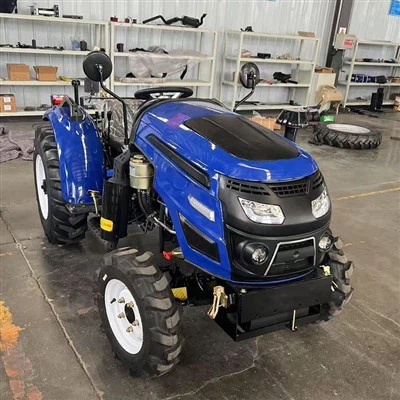
1. General Lubrication Intervals for Grease Fittings
Lubrication schedules vary based on tractor design and workload. Below are general guidelines:
a. Daily Lubrication (Every 8–10 Operating Hours)
Applies to: Tractors in heavy-duty operations (e.g., plowing, harvesting, hauling).
Key areas: Loader arms, front-end joints, PTO shafts-lubricate before each use or every 8–10 hours.
b. Weekly Lubrication (Every 50 Operating Hours)
Applies to: Moderate workloads (e.g., field prep, occasional mowing).
Key areas: Steering linkages, three-point hitch pivots, brake linkages.
c. Monthly Lubrication (Every 100–200 Operating Hours)
Applies to: Low-stress components or rarely used implements.
Key areas: Pivot points on infrequently used attachments.
2. Manufacturer-Specific Recommendations
Always consult the operator's manual for exact lubrication schedules. Common guidelines include:
Loader arms & pivot points: Often require daily greasing.
Steering linkages: Typically every 50–100 hours.
PTO shaft universal joints: Daily lubrication under heavy use.
Implements (balers, mowers, seeders): More frequent greasing in dusty/wet conditions.
Examples:
John Deere: High-use fittings may need greasing daily or every 10 hours.
Kubota: Critical joints often require lubrication every 8–50 hours.

3. Adjusting Lubrication Based on Operating Conditions
Environmental factors significantly impact greasing needs:
a. Dusty or Sandy Conditions
Issue: Abrasive particles accelerate wear.
Solution: Increase greasing frequency to flush out contaminants.
b. Wet or Muddy Conditions
Issue: Water/mud washes away grease, leading to rust.
Solution: Relubricate after wet operations.
c. Heavy Load Applications
Issue: High stress on joints and bearings.
Solution: Shorten intervals for loaders, PTOs, and drivetrains.
d. Seasonal Use
Issue: Grease degrades during storage.
Solution: Lubricate before storage and again before reuse.
4. Best Lubrication Practices
Use high-quality grease: Lithium-based, water-resistant grease is ideal.
Clean fittings first: Wipe away old grease and debris.
Pump until fresh grease appears: Ensures contaminants are purged.
Inspect regularly: Check for dryness or unusual noise during operation.
Sample Original Article (Adapted Topic):
"Combine Harvester Chain & Bearing Lubrication Guide"
Chains and bearings in combines endure extreme stress during harvest.
Poor lubrication can cause jamming, breakage, or even fire hazards. Key tips:
Lubrication Intervals
Daily: Header chains, threshing drum bearings (every 8 hrs).
Per shift: Conveyor chains, drive systems (every 50 hrs).
Seasonal: Full lubrication before/after storage.
Environmental Adjustments
Dusty fields: Use adhesive spray lubricants.
Wet conditions: Apply waterproof grease to prevent rust.
Safety & Technique
Always shut off the engine before greasing.
Remove straw residue to avoid clogging.
Proper lubrication can reduce unplanned downtime by 50% and significantly extend equipment life.
(Note: Always refer to the equipment manual for model-specific instructions.)
Export-ready format: Copy/paste into a Word doc or maintenance manual. Adjust branding/tone as needed.
Hanhong International is a professional supplier of tractors and agricultural machinery.
We will provide you with professional services. Buyers from all over the world are welcome to contact us to discuss cooperation!